WordPress vs Modern JavaScript Frameworks: Why Your CMS Choice Matters for AI Visibility
AI Search Optimization Expert
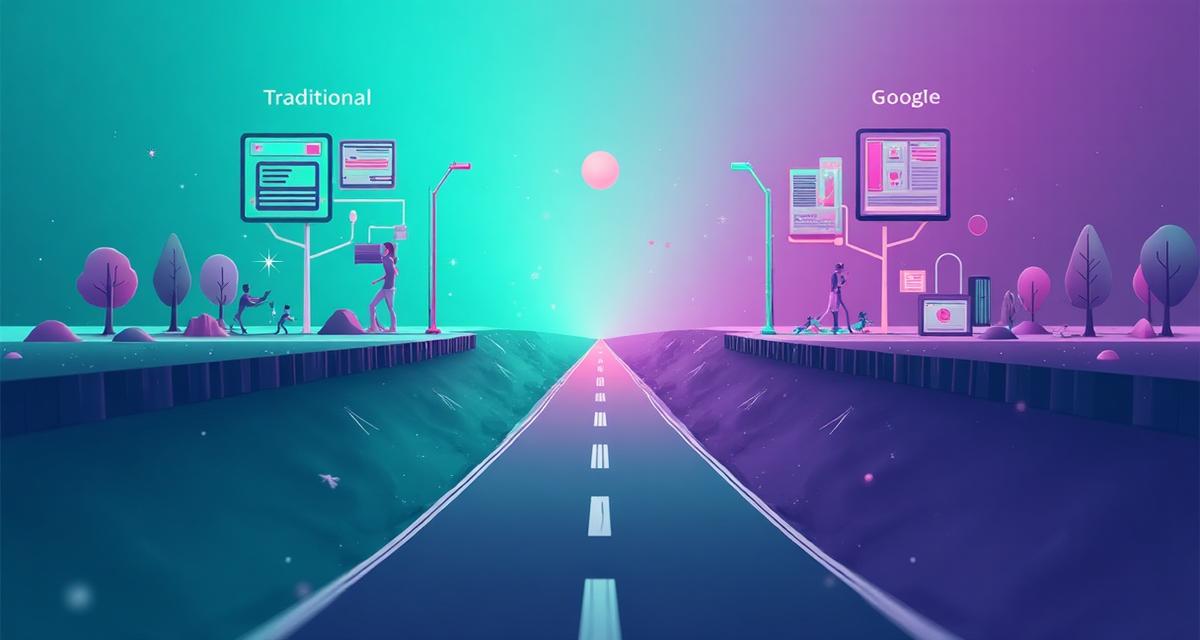
The Visibility Gap Nobody Talks About
Let's settle this: WordPress or React?
The answer is "it depends," but not for the reasons you think.
A clear pattern has emerged in AI visibility. WordPress sites consistently score dramatically higher than client-side rendered JavaScript framework sites on AI crawler accessibility.
This isn't because WordPress has better content or smarter developers. It's because of one fundamental architectural difference: WordPress renders content on the server by default. React, Vue, and Angular (without additional configuration) don't.
That difference costs you visibility.
WordPress: The AI-Friendly Dinosaur
Why WordPress Keeps Winning
WordPress is old. The codebase feels ancient compared to modern frameworks. But for AI visibility, that's actually an advantage.
Server-rendered by default. Every WordPress page is rendered on the server before it reaches the browser. AI crawlers see everything immediately. No JavaScript execution needed.
Mature SEO ecosystem. WordPress has 18+ years of SEO optimization baked in. Plugins like Yoast SEO and Rank Math have solved structured data automatically. You install a plugin and it just works.
Battle-tested structured data. WordPress SEO plugins add schema markup without you thinking about it. Organization schema, Article schema, Breadcrumb schema. It's all there.
Simple, semantic HTML. WordPress generates clean markup that AI crawlers understand intuitively. No excessive div soup. No framework-specific attributes AI doesn't care about.
The Trade-Offs
WordPress isn't perfect. Performance is slower than modern frameworks (though caching helps). PHP is less popular than JavaScript among developers. Database queries can bottleneck at scale. Security concerns require constant vigilance. Theme and plugin conflicts happen more often than you'd like.
But for AI visibility? WordPress wins out of the box.
When WordPress Is the Right Choice
Choose WordPress if you primarily publish content. If you need non-technical team members to update the site. If you want proven SEO and AI visibility without custom development. If you need to launch fast. If you have limited development resources.
WordPress isn't sexy, but it works.
Modern JavaScript Frameworks: Powerful but Invisible
The Default Visibility Problem
Default React, Vue, and Angular apps send minimal HTML to browsers. Just an empty div and script tags. All content is trapped in JavaScript files that AI crawlers will never execute.
Your beautifully designed app is completely invisible to ChatGPT, Claude, and Perplexity.
Why Developers Choose Them Anyway
Modern tooling and hot reload make development fast. Component architecture keeps code organized. Rich ecosystem means you can find a package for everything. Great performance after initial load. Superior interactivity compared to traditional server-rendered apps.
The developer experience is genuinely better. That's not hype.
The Solution: Meta-Frameworks
Next.js, Nuxt.js, and SvelteKit give you both modern developer experience and AI visibility through server-side rendering and static site generation.
You get the benefits of React (or Vue, or Svelte) without sacrificing visibility. This is the proper long-term solution for new projects that need both.
When Modern Frameworks Make Sense
Choose modern frameworks for complex interactive applications. When you need real-time features. When you're building rich user interfaces. When you want an API-driven architecture. When long-term scalability matters more than quick launch.
Just make sure you implement SSR or pre-rendering. Otherwise, you're invisible.
Real-World Scenarios
Let's get specific. Here are three common situations and what actually makes sense.
Scenario 1: E-commerce Site
You're building an online store. Product pages change frequently. You need good SEO. Budget is moderate.
Best choice: Next.js with static generation for marketing pages, server-side rendering for product pages. Or WordPress with WooCommerce if your team isn't technical.
Why: E-commerce lives or dies on discoverability. You can't afford to be invisible to AI search.
Scenario 2: SaaS Product
You're building a web application. Most features are behind authentication. Marketing site needs SEO. Product dashboard doesn't.
Best choice: Hybrid architecture. Next.js for marketing site (SEO-critical), React SPA for authenticated app (SEO doesn't matter).
Why: You need visibility for customer acquisition, but the actual product can use whatever makes development fastest.
Scenario 3: Blog or Content Site
You publish articles regularly. Non-technical editors need to add content. Budget is limited.
Best choice: WordPress or static site generator like Gatsby or Next.js with a headless CMS.
Why: WordPress gives you the easiest editor experience and best out-of-box SEO. Static site generators give you better performance if you have technical resources.
Decision Framework
Here's how to actually decide:
Choose WordPress if: Content is king, you have a non-technical team, SEO is critical, and budget is limited. WordPress gives you 80% of what you need with 20% of the effort.
Choose Next.js/Nuxt if: You need both SEO and modern features, you have JavaScript developers on staff, and you have budget for proper implementation. This is the future, but it costs more upfront.
Choose React SPA if: SEO doesn't matter, you're building internal tools, everything's behind authentication, or speed of development is the only priority. Just know what you're giving up.
Choose hybrid if: You have complex requirements, multiple distinct sections (marketing + product), and a team that can manage complexity. This gives you the best of everything, but it's harder to maintain.
What to Do Next
Stop debating React versus WordPress in the abstract. Here's what actually matters:
Audit your current situation. Run a free GEO assessment to see how visible you are to AI right now.
Identify your constraints. What's your budget? What's your team's skill level? How quickly do you need to ship?
Pick based on data, not hype. WordPress isn't trendy, but it works. React is modern, but requires more setup for AI visibility.
Implement with visibility in mind. Whatever you choose, make sure AI crawlers can actually see your content. That's non-negotiable.
The future isn't WordPress versus JavaScript. It's choosing the right architecture for each use case and implementing it so AI can see and understand your content.
Want to see how your current tech stack affects your AI visibility? Run a free assessment and find out in 5 minutes.
Ready to Check Your AI Visibility?
See how your website performs in AI search engines with our free assessment.
Get Free GEO Assessment